
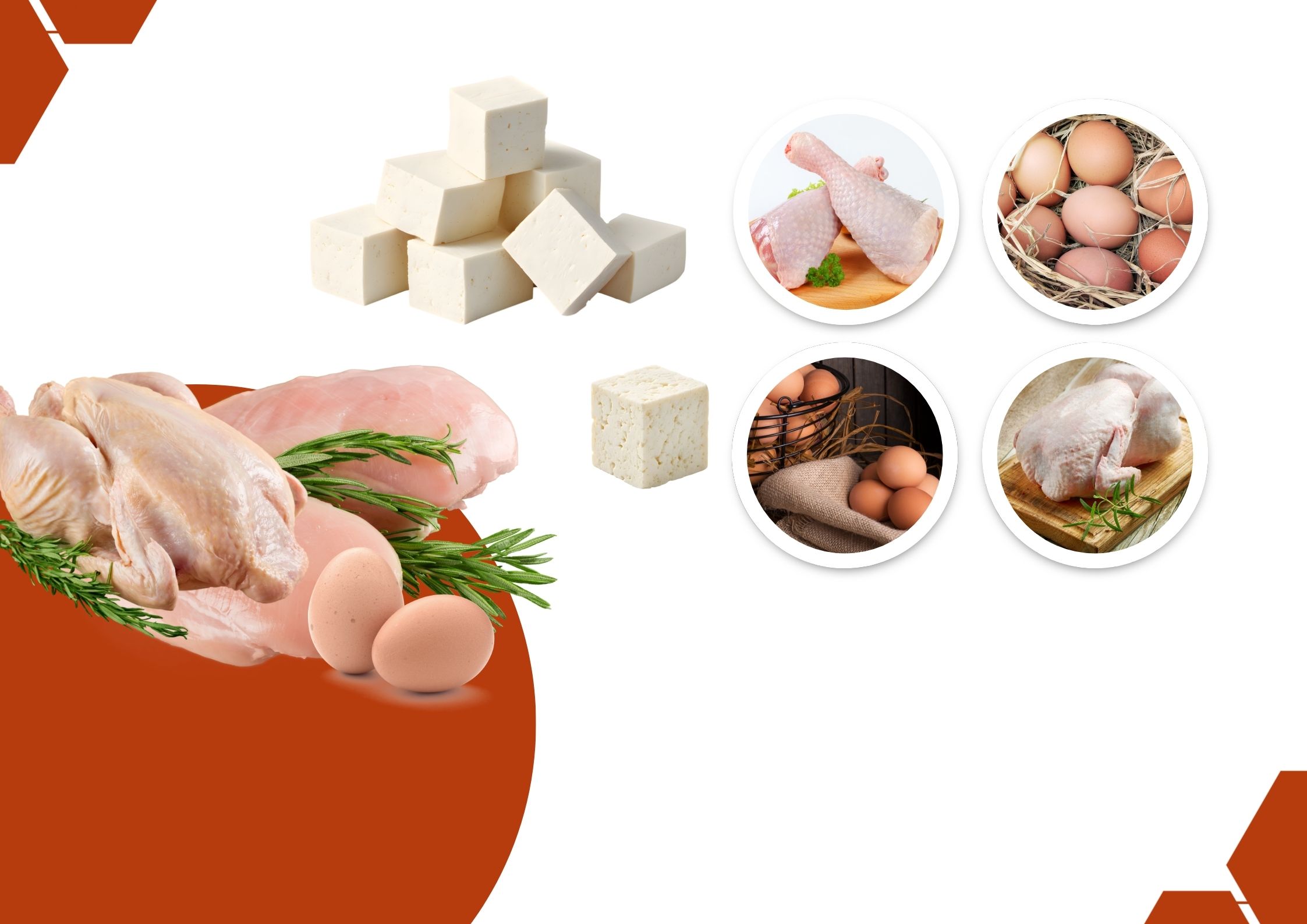
Choosing the best protein source can be confusing, especially with three Indian diet staples—paneer, eggs, and chicken—each boasting unique nutritional benefits. This detailed comparison reveals which one reigns supreme for protein absorption, muscle growth, and overall health, helping you make an informed choice for your fitness journey.
Understanding Protein Quality and Absorption
Protein is more than just a muscle-building nutrient; it is essential for metabolism, immune function, and overall well-being. But not all protein sources are utilized equally by the body. Factors such as amino acid composition, digestibility, and bioavailability determine how well your body absorbs and uses protein from food.
When you eat protein, your stomach breaks it down before your small intestine absorbs the amino acids—these are the building blocks your muscles need to grow and recover. This “delivery service” varies: some proteins reach your muscles in 30 minutes, others take all day, depending on the source and your body’s condition.
As you age, your digestive efficiency decreases, so older adults may absorb protein a bit slower than in their youth, especially if gut health is compromised. Contrary to common myth, your body can utilize 25–40 grams of protein per meal for muscle building, and extra amino acids still support energy and immune function.
Consuming protein within two hours after a workout helps with recovery, but you don’t need to worry about a strict “anabolic window”—your body remains primed for protein absorption longer than you might think.
Eggs: The Best Protein Source for Absorption and Muscle Health


Eggs are renowned as the most bioavailable protein source, thanks to their perfect amino acid profile and digestibility. The Biological Value (BV) of eggs is set to 100, making them the benchmark for protein quality. Studies show they offer the highest Net Protein Utilization (NPU) and an amino acid score of 100, which means your body can absorb and use almost all the protein in eggs.
Whether it is morning, afternoon or night, we eat eggs all the time. The truth is, eggs are a protein-rich and nutritionally dense food that gives us numerous benefits. They are filled with Vitamin B12, healthy fats, Vitamin D, supporting our brain function and eyes.
In fact, the yolk that many folks avoid contains essential minerals like iron, amino acids, tryptophan and tyrosine that help prevent heart disease.
Furthermore, egg whites, that have no fat at all, are rich in proteins and are highly recommended for gym goers who want to build muscle mass.
Paneer: The Beloved Protein Source Among Vegetarians

Paneer, or Indian cottage cheese, is a staple for vegetarians seeking protein. It delivers 16–20g per 100g and a Biological Value around 80, providing a good mix of essential amino acids, though not quite on par with eggs. Paneer’s protein is slow-digesting casein, making it ideal for sustained energy, muscle preservation overnight, or as a filling part of a meal.
When we look at the nutritional side, paneer contains higher amounts of calcium, phosphorous and healthy fats, supporting our teeth and bones. Moreover, a moderate amount of carbohydrates are also available in paneer which are almost lacking in eggs. These elements add an extra boost of energy to our system.
Chicken: Lean, High-Yield Protein for Muscle Building
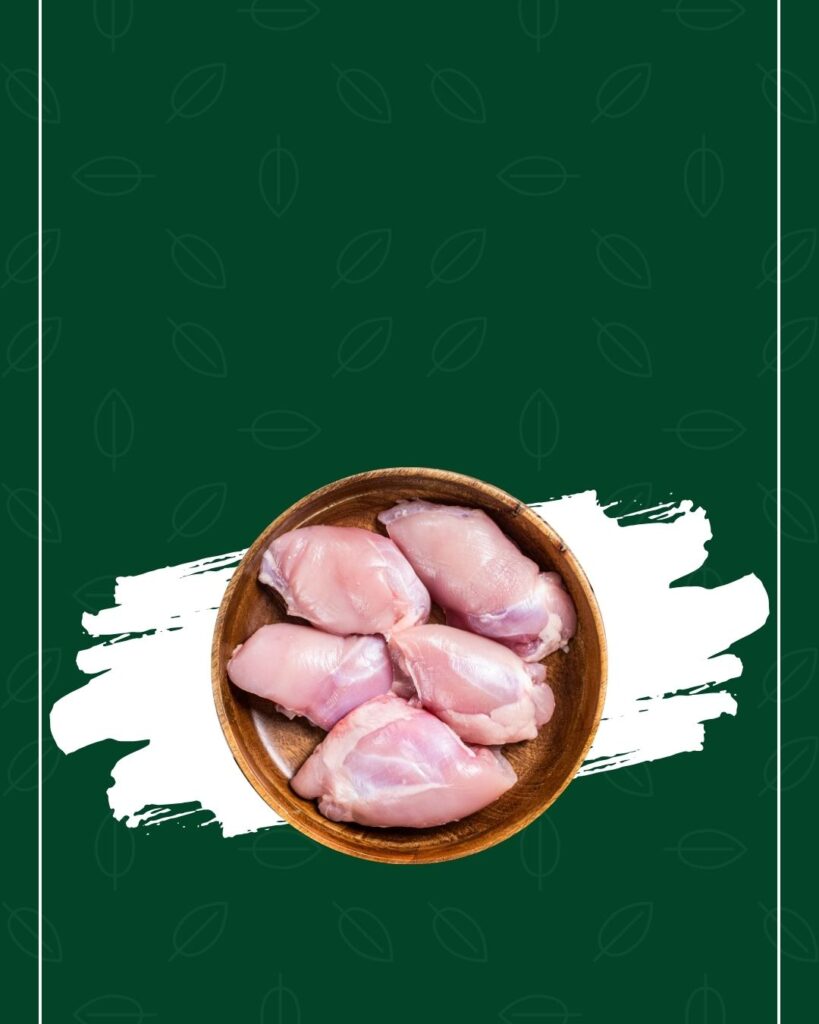
Chicken—especially breast meat—offers the highest protein content per serving at 27–32g per 100g, while remaining low in fat and calories. Its amino acid profile is complete and comparable to eggs, making it a popular choice for athletes, bodybuilders, and anyone seeking lean gains.
Chicken protein is quickly absorbed and supports muscle repair and growth. Plus, it is rich in B vitamins and key minerals like selenium, supporting metabolism and immunity. For those prioritizing max protein per calorie, chicken is the clear leader.
Which Protein Source Does the Body Absorb Best?
- Eggs are absorbed and utilized most efficiently by the body due to their amino acid score and bioavailability.
- Chicken provides almost as high a quality protein as eggs but excels in sheer quantity per serving and leanness, suitable for muscle building and weight loss.
- Paneer has excellent protein content among vegetarian foods and delivers steady amino acids over hours, making it great for fullness and satiety, though its absorption rate is slightly below eggs and chicken.
Final Thoughts
In the paneer vs chicken vs egg debate, the healthiest choice is not about picking one over the other but about understanding how each fits into your overall dietary strategy. Whether you’re striving for weight loss, muscle gain, or simply a well-rounded diet, paneer,egg and chicken offer distinct benefits. Consider your nutritional goals, lifestyle, and ethical values when making your choice. Remember, variety is key to a healthy and sustainable diet.
By carefully balancing your intake and enjoying the culinary versatility of all three paneer,egg and chicken, you can create a nutritious, delicious, and balanced diet that fuels your body and delights your taste buds.
Frequently Asked Questions
1. Is egg protein suitable for vegetarians?
Eggs are classified as vegetarian but not vegan, so they suit lacto-ovo vegetarians.
2. How much paneer is equal to 2 eggs?
Two medium sized eggs can provide the equal amount of protein that we receive from 100 grams of protein.
3. Which protein source is best for muscle gain?
Eggs and chicken breast are best due to high absorption and essential amino acids, but paneer, with its slow-release effect, is helpful for muscle maintenance during fasting or overnight.
4. Is paneer good for weight loss?
Paneer is calorie-dense but filling. For strict calorie control, opt for low-fat paneer or balance portions.
5. Can I include egg, paneer and chicken in my weekly meal plan?
Absolutely! Diversifying your protein sources can ensure you receive a broad spectrum of nutrients while keeping your meals interesting and balanced.