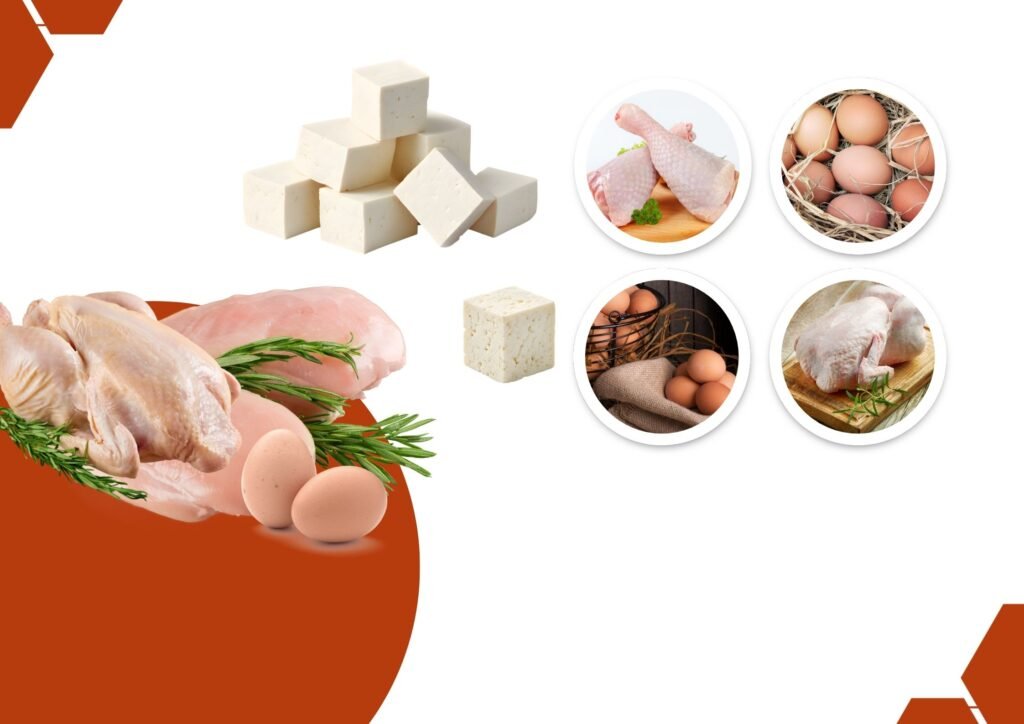
Paneer, eggs and chicken are three of the most popular protein foods in India. This comparison looks at how much protein each gives, how well your body uses it, and which one fits your goals and budget.
Understanding Protein Quality and Absorption
Protein is more than just a muscle-building nutrient; it is essential for metabolism, immune function, and overall well-being. But not all protein sources are utilized equally by the body. Factors such as amino acid composition, digestibility, and bioavailability determine how well your body absorbs and uses protein from food.
When you eat protein, your stomach and small intestine break it down into amino acids, the building blocks your muscles need to grow and recover. Some proteins, like whey and eggs, are digested fairly quickly; others, like the casein in paneer, are released slowly over several hours.
As you age, your digestive efficiency decreases, so older adults may absorb protein a bit slower than in their youth, especially if gut health is compromised. Contrary to common myth, your body can utilize 25–40 grams of protein per meal for muscle building, and extra amino acids still support energy and immune function.
Consuming protein within two hours after a workout helps with recovery, but you don’t need to worry about a strict “anabolic window”—your body remains primed for protein absorption longer than you might think.
Eggs: The Best Protein Source for Absorption and Muscle Health

Eggs are renowned as the most bioavailable protein source, thanks to their perfect amino acid profile and digestibility. The Biological Value (BV) of eggs is set to 100, making them the benchmark for protein quality. Studies show they offer the highest Net Protein Utilization (NPU) and an amino acid score of 100, which means your body can absorb and use almost all the protein in eggs.
One large egg gives about 6 g of protein. Eggs also provide vitamin B12, vitamin D, choline (important for the brain) and lutein (good for the eyes).
The yolk, which many people skip, holds most of these vitamins plus healthy fats, so eating whole eggs is fine for most healthy people.
Egg whites are almost pure protein with no fat, which makes them useful if you are keeping calories low.
Paneer: The Beloved Protein Source Among Vegetarians

Paneer, or Indian cottage cheese, is a staple for vegetarians seeking protein. It delivers about 18–20 g per 100 g, and its milk protein is high quality with all the essential amino acids. Most of it is slow-digesting casein, which keeps you full and supplies amino acids over several hours.
Paneer is also rich in calcium and phosphorus for bones and teeth. It is high in fat too (full-fat paneer has roughly 265–300 calories per 100 g), so portions matter if you are losing weight. It has very little carbohydrate.
Chicken: Lean, High-Yield Protein for Muscle Building
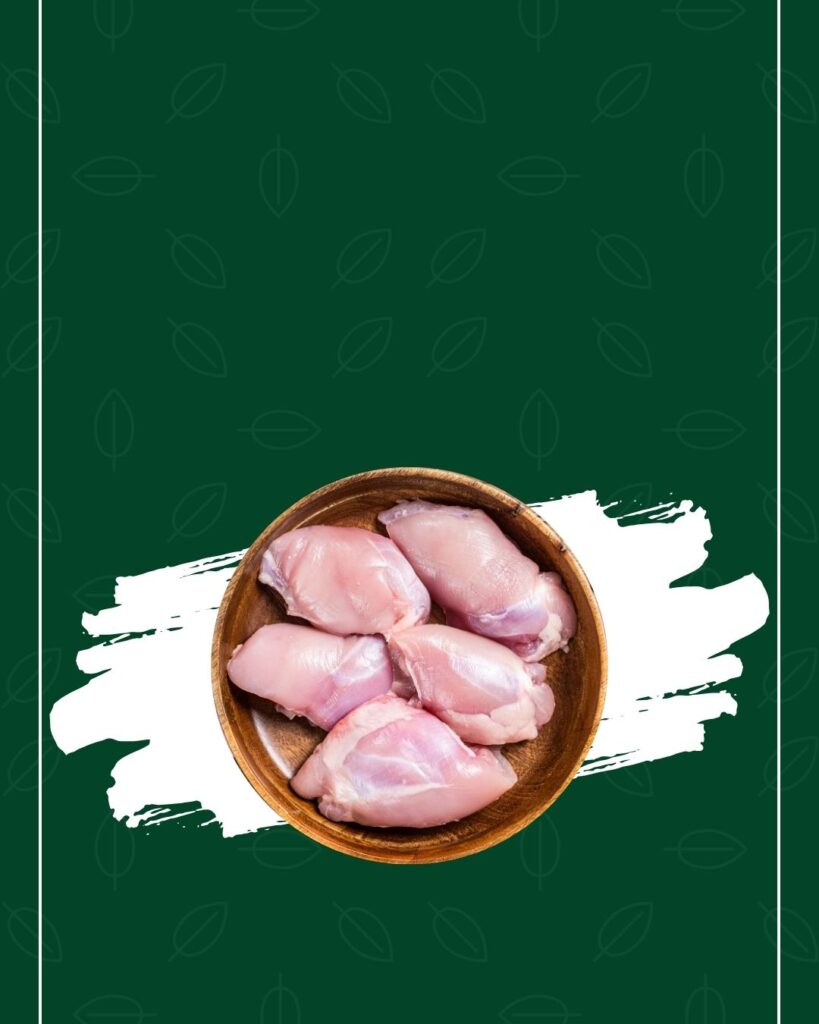
Chicken—especially breast meat—offers the highest protein content per serving at 27–32g per 100g, while remaining low in fat and calories. Its amino acid profile is complete and comparable to eggs, making it a popular choice for athletes, bodybuilders, and anyone seeking lean gains.
Chicken protein is quickly absorbed and supports muscle repair and growth. Plus, it is rich in B vitamins and key minerals like selenium, supporting metabolism and immunity. For those prioritizing max protein per calorie, chicken is the clear leader.
Quick Comparison (per 100 g)
| Food | Protein | Calories |
|---|---|---|
| Paneer (full-fat) | 18–20 g | about 265–300 |
| Eggs (about 2 large) | 13 g | about 145 |
| Chicken breast (cooked) | about 31 g | about 165 |
Values are approximate and vary with brand and cooking method (USDA FoodData Central).
Which Protein Source Does the Body Absorb Best?
- Eggs are absorbed and utilized most efficiently by the body due to their amino acid score and bioavailability.
- Chicken provides almost as high a quality protein as eggs but excels in sheer quantity per serving and leanness, suitable for muscle building and weight loss.
- Paneer has excellent protein content among vegetarian foods and delivers steady amino acids over hours, making it great for fullness and satiety, though its absorption rate is slightly below eggs and chicken.
Final Thoughts
In the paneer vs chicken vs egg debate, the healthiest choice is not about picking one over the other but about understanding how each fits into your overall dietary strategy. Whether you’re striving for weight loss, muscle gain, or simply a well-rounded diet, paneer,egg and chicken offer distinct benefits. Consider your nutritional goals, lifestyle, and ethical values when making your choice. Remember, variety is key to a healthy and sustainable diet.
Mixing all three across your week gives you a wider range of nutrients. For full meal ideas, see 10 best Indian foods for muscle growth, 13 high-protein vegetarian breakfasts and our 2500 calorie weight gain diet plan.
Frequently Asked Questions
Is egg protein suitable for vegetarians?
Eggs are classified as vegetarian but not vegan, so they suit lacto-ovo vegetarians.
How much paneer is equal to 2 eggs?
Two large eggs give about 12 g of protein, which is roughly the same as 60–65 g of paneer.
Which protein source is best for muscle gain?
Eggs and chicken breast are best due to high absorption and essential amino acids, but paneer, with its slow-release effect, is helpful for muscle maintenance during fasting or overnight.
Is paneer good for weight loss?
Paneer is calorie-dense but filling. For strict calorie control, opt for low-fat paneer or balance portions.
Can I include egg, paneer and chicken in my weekly meal plan?
Absolutely! Diversifying your protein sources can ensure you receive a broad spectrum of nutrients while keeping your meals interesting and balanced.