Building muscle isn’t just about lifting weights—it starts with what’s on your plate. For beginners, the right nutrition plan supports faster recovery, more energy, and visible muscle growth. If you’re new to fitness in India, this guide shows you simple, affordable food choices and explains how to put science-backed nutrition into everyday meals.
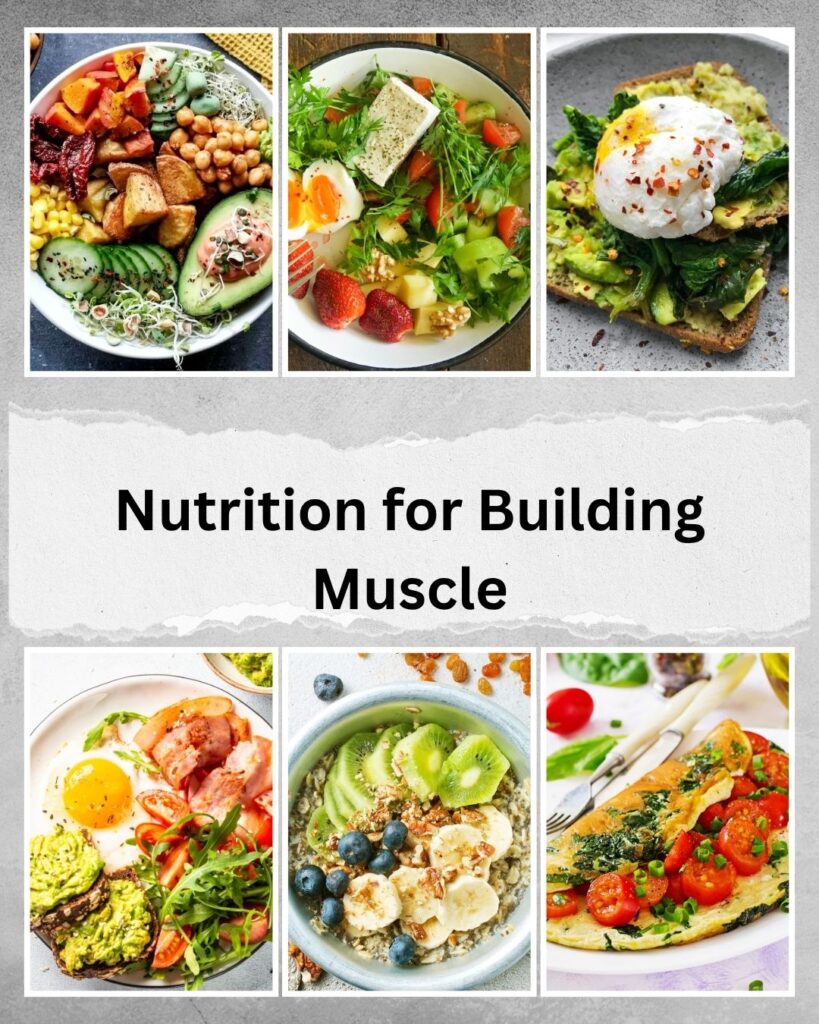
Understanding Muscle Gain Nutrition Basics
Muscle gain requires a calorie surplus, meaning you consume more calories than you burn, coupled with sufficient protein intake to support muscle repair and growth. Protein-rich foods such as eggs, paneer, chicken, lentils, and dals are essential in the Indian diet for muscle gain. Carbohydrates provide the energy needed for workouts and recovery; whole grains like brown rice, roti, oats, and millet are ideal.
Healthy fats from sources like ghee, nuts, and seeds support hormone production crucial for muscle development. Staying hydrated and vitamin/mineral intake through fruits and vegetables complete the nutrition package.
What to Limit When Trying to Gain Muscle
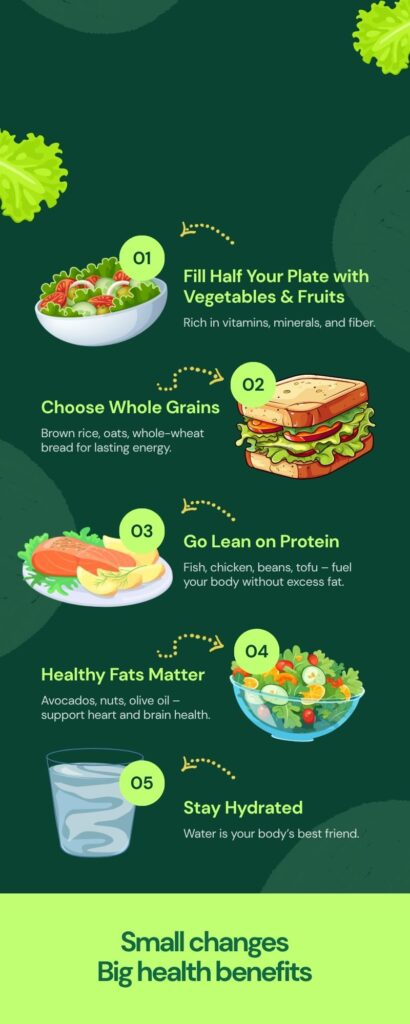
Including muscle-building foods in your diet is just one part of the equation. You’ll also want to limit or avoid certain foods and drinks while trying to build muscle. This includes foods that are high in unhealthy fats and added sugars that can hinder your recovery and zap your energy.
Examples of foods to avoid include:
- Fried foods
- Candy
- Soda
- Processed meats
- Alcohol
- Smoking (not a food, but it harms recovery and health)
The International Society of Sports Nutrition (ISSN) position stand on protein says that 1.4–2.0 g of protein per kg of body weight a day is enough for most people who exercise to build and keep muscle. For a 70 kg person, that is about 100–140 g a day, spread over your meals.
Very lean, experienced lifters who are cutting may benefit from a bit more, but beginners do not need to go beyond about 2 g/kg.
Carbohydrates matter too. They refill the energy (glycogen) stored in your muscles and liver, so you can train hard without running out of steam. Roti, rice, oats, poha and fruit all work.
Round it out with vegetables, fruit, some healthy fats (ghee, nuts, seeds) and enough water. These supply the vitamins and minerals your body needs to train well and recover.
Best Diet and Nutrition Tips for Building Muscle
1. How to spread your protein intake, and how often should you eat?
Ideally, you’ll want to time your eating so that it works with your workout but also aim for three regular meals and a couple of snacks – making sure that they are balanced with both carbohydrates and protein. That way, you can provide your body with the fuel it needs from the carbohydrate, as well as a steady supply of protein to stimulate muscle protein synthesis.
2.What to eat before a workout?
You want to start your workout well hydrated and well fueled.
- If you have a few hours to digest, then a “regular” breakfast that might include foods like eggs, yogurt, whole-grain toast, whole-grain cereals, milk/soy milk and fruit would be appropriate.
- If you’ll be eating fairly close to the time you work out, then something like a protein shake will take less time to digest. Just be sure your shake includes not just protein but a source of carbohydrates, too. So in addition to a protein powder and/or milk or milk alternatives, include foods such as fruits and vegetables (such as carrots or sweet potato)
3. What to eat after a workout?
After training, have a meal or snack with carbohydrates and about 20–40 g of good-quality protein, which is the amount the ISSN suggests per meal. Examples: a banana shake made with milk and a scoop of whey, curd with poha, or dal-rice with paneer.
A Sample Diet Plan for Gym Beginners
The points above are the base of any good diet. Your exact plan depends on whether you want to gain size (bulking) or build lean muscle while staying lean. Here are two simple starting plans.
1. Diet Plan for Building Lean Muscle
Breakfast: (8am-9am) Oatmeal + 4 egg white
Mid-morning: (11am–12pm) Seasonal fruit in one bowl
Lunch: (2pm-3pm) 2 chapatis + dal / seasonal vegetable/ chicken/ fish + low fat curd + half bowl rice + veg salad /sprouts
Evening Snacks: (5pm-6pm) Green Tea with almonds
Dinner: (8pm-9pm) 2 chapatti +Seasonal vegetable + salad + sprouts
Bed Time: Toned milk
Before workout: 2 Banana or 1 Apple
After workout: 1 scoop of whey isolate with water or milk.
2. Diet Plan for Gaining Muscle Mass (Bulking)
Breakfast: (8am-9am) Oatmeal porridge + Dry fruit + 2 roti with sabzi
Mid-morning: (11am–12pm) Banana shake with one scoop of peanut butter
Lunch: (2pm-3pm) 3 chapatis + dal / seasonal vegetable/ chicken/ fish + low fat curd + half bowl rice + veg salad /sprouts
Evening Snacks: (5pm-6pm) Banana Shake with 1 scoop of peanut butter
Dinner: (8pm-9pm) Boiled Brown rice + Paneer + Seasonal vegetable + veg salad + sprouts
Bed Time: Toned milk + 1 scoop gainer
Before workout: 2 Banana or 1 Apple
After workout: 1 scoop of whey protein with water or milk.
Supplements and Additional Advice
These are sample plans to show you how to start. You don’t need BCAAs if you eat enough protein; creatine (3–5 g a day) is the one supplement with strong evidence, and it is optional. Avoid smoking, keep alcohol and junk food rare, and adjust portions every few weeks based on your weight and the mirror. For a fully personalised plan, consult a registered dietitian.
Next steps: work out your calorie target with our calorie calculator, see a full-day example in the 2500 calorie weight gain diet plan, and read which muscle supplements actually work.