Want better muscle growth, more strength and fewer injuries? Avoid these 10 common gym mistakes that hold most beginners back.
Why These Mistakes Slow Your Progress
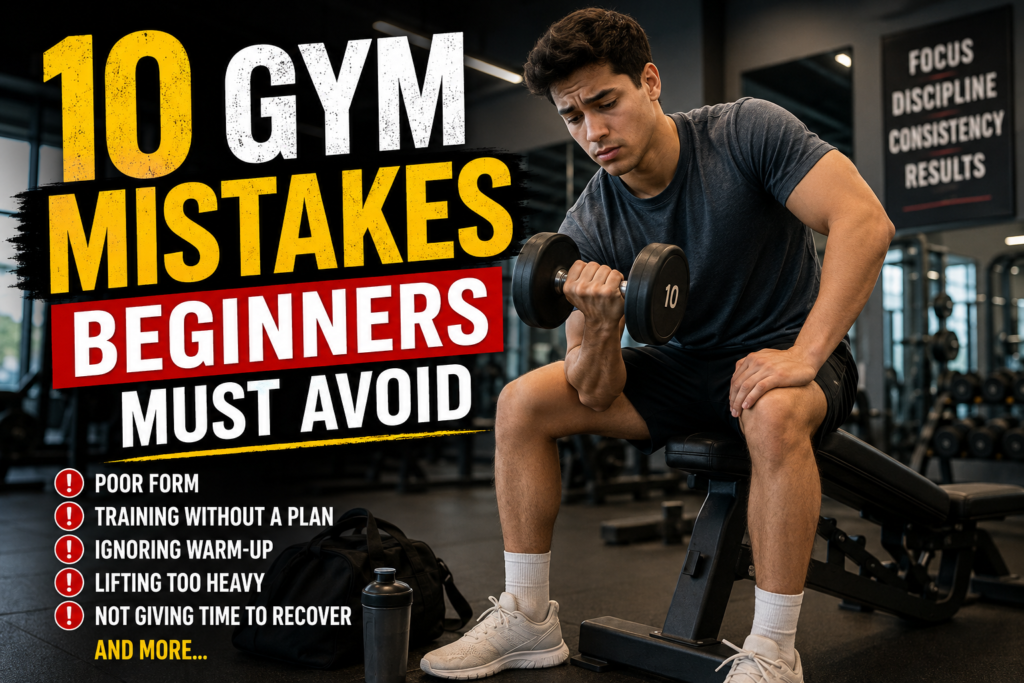
Going to the gym isn’t just about lifting weights. Many people do, but they make countless mistakes that slow down their progress. And you might be making one of these mistakes too. So, I’ll tell you about 10 common gym mistakes beginners usually make, which you should avoid to see results quickly.
Starting your fitness journey is exciting, but many beginners unknowingly make mistakes that prevent them from achieving their desired results. Whether your goal is muscle gain, fat loss, strength improvement, or overall fitness, avoiding these common errors can help you progress faster and stay injury-free.
Number One: No Warm-Up
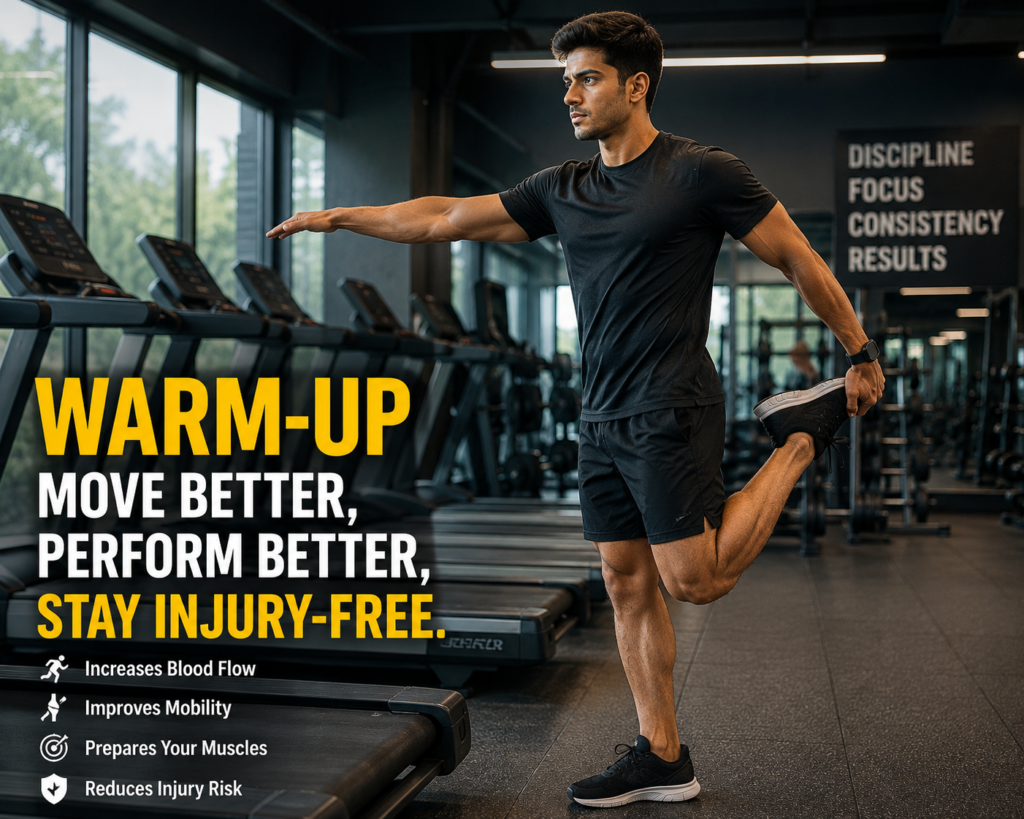
The biggest mistake is not warming up at the gym and jumping straight into lifting weights. This can put extra stress on your muscles and joints, leading to injury. Just 5 to 10 minutes of light cardio will activate your muscles, improve blood flow, and help you perform better. Dynamic stretching is also essential, such as arm circles, leg swings, and shoulder rolls.
💡 Pro Tip: A proper warm-up increases performance and reduces injury risk.
Number Two: Wrong Form
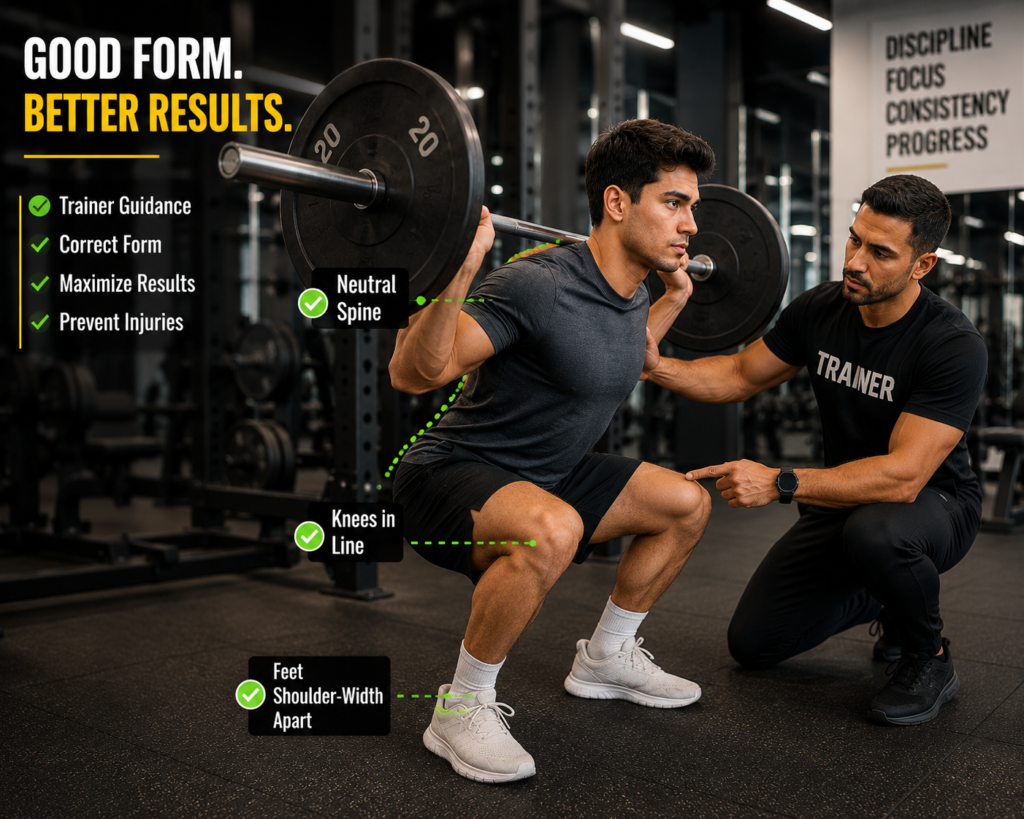
It’s not necessary to just go to the gym and lift weights. Your form should also be correct, and only after you’ve perfected it should you start increasing the weights. Using improper form can place unnecessary stress on joints and muscles, increasing the risk of injuries. Focus on mastering movement patterns before chasing heavier weights.
The American College of Sports Medicine (ACSM) 2026 resistance training guidelines recommend working every major muscle group at least twice a week and building up gradually. Good technique comes first; heavier weights come later.
⚠️ Common Mistake: Copying advanced lifters without learning proper technique.
Number Three: Overtraining
It’s not necessary to spend two to three hours in the gym every day because quality matters more than quantity. Many people think that the longer they exercise, the faster their physique will develop. But in reality, that’s not the case.
Overtraining can lead to fatigue, reduced performance, poor recovery, and lack of motivation. Most effective workouts can be completed within 45–90 minutes.
Number Four: Skipping Leg Day
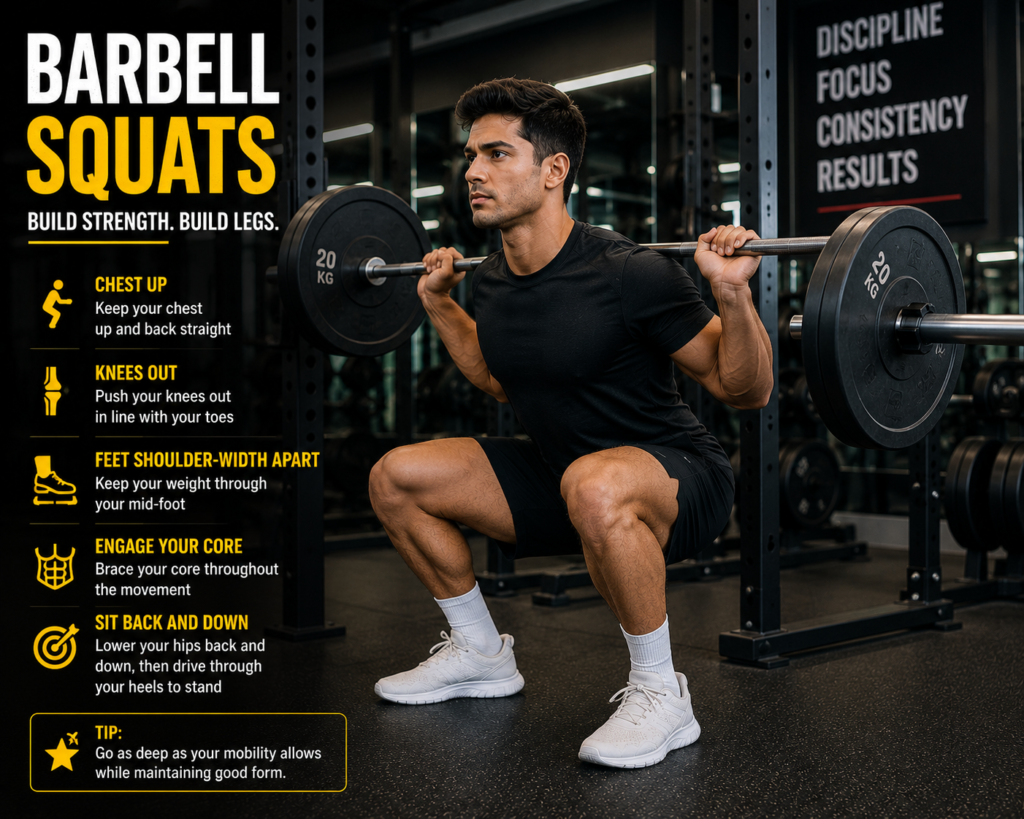
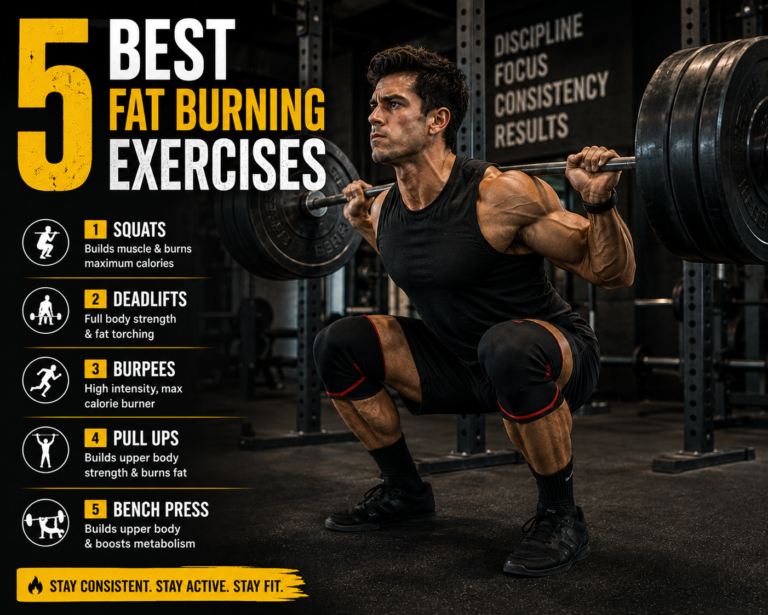
If you skip leg workouts, your body will look unbalanced, and you miss out on a lot. Your legs and glutes are the biggest muscles in your body, so training them builds real strength and burns a good amount of energy in each session. Aim to train legs at least twice a week, in line with the ACSM advice above.
Strong legs improve athletic performance, balance, stability, and overall body strength.
💡 Pro Tip: Never skip squats, lunges, and leg presses.
Number Five: No Progressive Overload
Train with the same reps, same sets, and same weights every week.
So, if you’re doing this, it’s a big mistake because your body quickly adapts to the same weight, same reps, and same sets, and it stops giving you results. So, make sure you perform progressive overload every week.
To achieve progressive overload, you can either:
- Increase the weight
- Increase the reps
- Increase the sets
- Improve workout intensity
💪 Small improvements every week create massive long-term results.
Number Six: Poor Diet
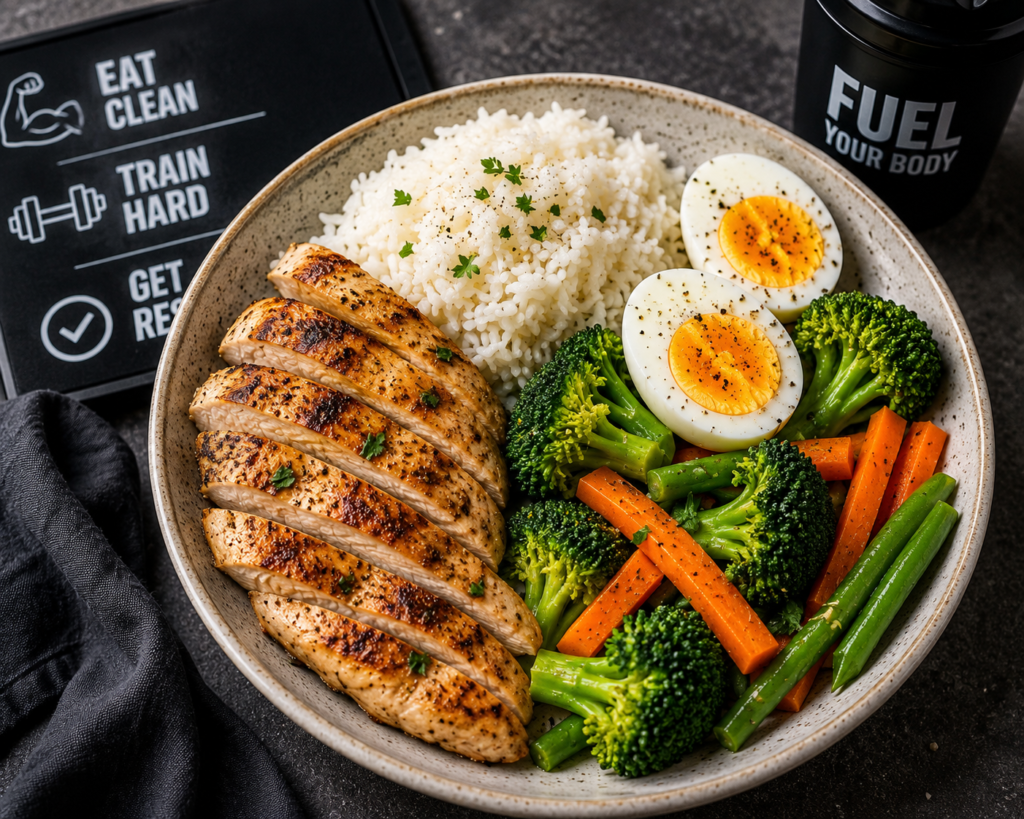
The gym isn’t just a one-or-two-hour game. Your overall diet matters. If you’re not consuming the right amount of calories, protein, carbs, and fats, no matter how much you gym, you won’t see results.
Avoid processed and sugary foods and focus on whole, nutrient-rich foods.
Not sure how much to eat? Estimate your needs with our calorie calculator, then read muscle gain nutrition for beginners for a simple Indian diet.
Diet Essentials:
- High Protein
- Complex Carbs
- Healthy Fats
- Fruits & Vegetables
Number Seven: Not Drinking Enough Water

Fluid needs depend on your body size, the weather and how much you sweat, so there is no single number for everyone. Sip water through the day, drink more on training days and in hot weather, and use a simple check: pale-yellow urine usually means you are drinking enough. Being dehydrated makes you tire sooner and train worse.
Drink water during your workout too. For long, sweaty sessions, an electrolyte drink or ORS can help.
💧 Hydration directly affects strength, endurance, and recovery.
Number Eight: Too Much Cardio
Don’t rely solely on cardio for weight loss. So, maintain a smart balance.
Ideal Combination:
- Strength Training: 3–5 Days Per Week
- Cardio: 20–30 Minutes After Workout
Combining both gives the best body composition results.
For a routine that mixes both, see our fat loss workout plan for Indian men.
Number Nine: Ego Lifting
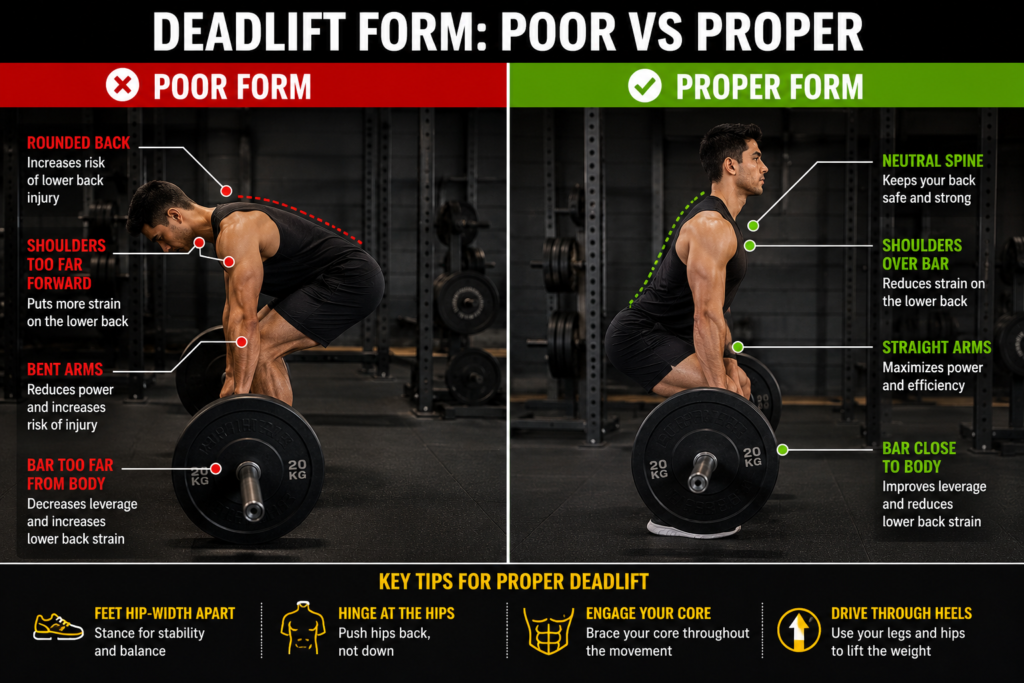
Lifting heavy weights seems cool, but if your form is incorrect, it can lead to injury.
Many beginners try to impress others by lifting more weight than they can safely handle. This often results in poor technique and unnecessary injuries.
⚠️ Leave your ego at the door and focus on proper execution.
Number Ten: No Rest Days
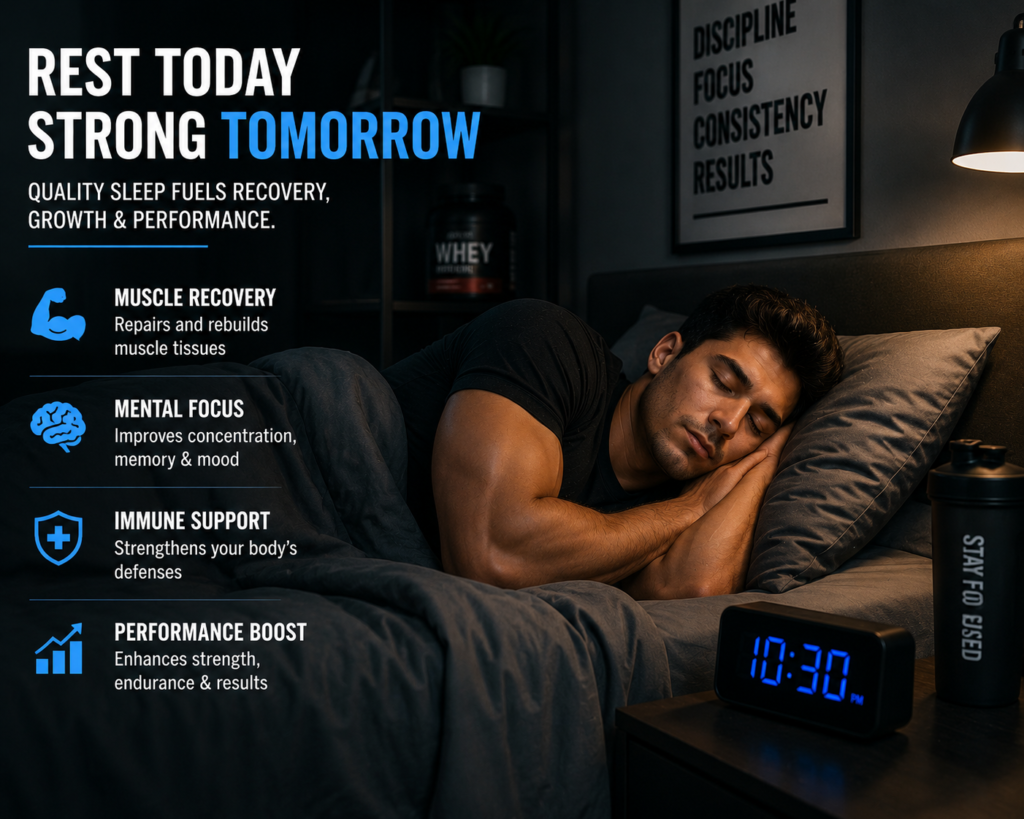
Training hard every single day without a break isn’t dedication. Without recovery, your performance drops and you feel tired all day.
Muscles adapt and grow while you recover, so take one or two rest days a week.
Smart training plus proper rest equals steady results.
By avoiding these mistakes, you can build muscle faster, reduce injuries and get better results from every session.
Quick Comparison Table
| Mistake | Better alternative |
|---|---|
| No Warm-Up | 5–10 Minute Warm-Up |
| Wrong Form | Learn Technique First |
| Overtraining | Quality Workouts |
| Skipping Legs | Train Legs Twice Weekly |
| No Progressive Overload | Increase Weight/Reps |
| Poor Diet | Balanced Nutrition |
| Low Water Intake | Drink enough through the day |
| Too Much Cardio | Cardio + Strength |
| Ego Lifting | Focus On Form |
| No Rest Days | 1–2 Recovery Days |
Frequently Asked Questions
How many days should a beginner go to the gym?
Most beginners should train 3–5 days per week.
Is cardio necessary for weight loss?
Yes, but strength training should remain the foundation.
How much protein should beginners consume?
If you are training to build muscle, about 1.6 g of protein per kg of body weight a day is enough for most people. Going up to 2.2 g/kg is fine but adds little extra benefit (Morton et al., British Journal of Sports Medicine, 2018).
Can I build muscle without supplements?
Absolutely. Proper nutrition and training matter more than supplements.
Final Thoughts
So, that’s it, guys. These were the top 10 gym mistakes that beginners commonly make, and you should avoid these mistakes.
Remember, fitness is a journey, not a race. Consistency, patience, proper nutrition, smart training, and adequate recovery are the keys to long-term success.
Avoid these common beginner mistakes, stay disciplined, and you’ll be surprised by how quickly your strength, physique, and confidence improve.
Which of these gym mistakes have you made before? Let us know in the comments below.
If you found this guide helpful, share it with a friend who’s just starting their fitness journey.
Also read our beginner workout guide for a complete fitness plan.