
Building muscle isn’t just about lifting weights—it starts with what’s on your plate. For beginners, the right nutrition plan supports faster recovery, more energy, and visible muscle growth. If you’re new to fitness in India, this guide shows you simple, affordable food choices and explains how to put science-backed nutrition into everyday meals.
Understanding Muscle Gain Nutrition Basics
Muscle gain requires a calorie surplus, meaning you consume more calories than you burn, coupled with sufficient protein intake to support muscle repair and growth. Protein-rich foods such as eggs, paneer, chicken, lentils, and dals are essential in the Indian diet for muscle gain. Carbohydrates provide the energy needed for workouts and recovery; whole grains like brown rice, roti, oats, and millet are ideal.
Healthy fats from sources like ghee, nuts, and seeds support hormone production crucial for muscle development. Staying hydrated and vitamin/mineral intake through fruits and vegetables complete the nutrition package.
What foods to avoid when trying to gain muscle:
Including muscle-building foods in your diet is just one part of the equation. You’ll also want to limit or avoid certain foods and drinks while trying to build muscle. This includes foods that are high in unhealthy fats and added sugars that can hinder your recovery and zap your energy.
Examples of foods to avoid include:
- Fried foods
- Candy
- Soda
- Processed meats
- Alcohol
- Somoking
Eating the right foods can help someone build muscle, recover from training, and maintain energy levels.
The International Society of Sports Nutrition (ISSN)Trusted Source
advises that consuming 1.4 to 2.0 grams (g) of protein per kilogram (kg) of body weight per day is sufficient for most exercising individuals to build and maintain muscle mass.
People performing high-intensity resistance training may benefit from up to 3 g of protein per kg of body weight per day.
To build muscle optimally, individuals also need to consume enough carbohydrates. Carbohydrates replenish glycogen stores in the muscles and liver and help avoid fatigue during training.
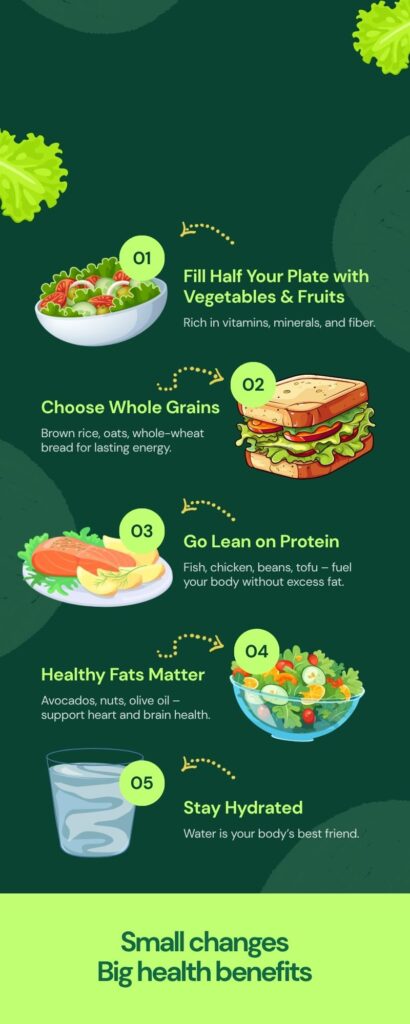
To support any training program, including resistance training, people need to eat a healthy diet that includes vitamins, minerals, and healthy fats. They should also make sure they are adequately hydrated.
Vitamins, minerals, and water help people perform well, recover from exercise, and maintain their general health.
Best Diet and Nutrition Tips for Building Muscle
1. How to spread your protein intake, and how often should you eat?
Ideally, you’ll want to time your eating so that it works with your workout but also aim for three regular meals and a couple of snacks – making sure that they are balanced with both carbohydrates and protein. That way, you can provide your body with the fuel it needs from the carbohydrate, as well as a steady supply of protein to stimulate muscle protein synthesis.
2.What to eat before a workout?
You want to start your workout well hydrated and well fueled.
- If you have a few hours to digest, then a “regular” breakfast that might include foods like eggs, yogurt, whole-grain toast, whole-grain cereals, milk/soy milk and fruit would be appropriate.
- If you’ll be eating fairly close to the time you work out, then something like a protein shake will take less time to digest. Just be sure your shake includes not just protein but a source of carbohydrates, too. So in addition to a protein powder and/or milk or milk alternatives, include foods such as fruits and vegetables (such as carrots or sweet potato)
3. What to eat after a workout?
After you exercise, your muscles need some healthy carbohydrates and about 10 to 20 grams of high-quality protein to help them repair and recover. A smoothie made with fruit and milk or soy milk, or a bowl of cereal and fruit are all good recovery foods after a session of strength training.
A Sample of The Basic Diet Plan For Gym Beginners To Gain Muscle:
Well above discussed points are very important for a perfect diet plan. Your meal plan is based on whether you want to build muscle mass or lean muscle. Presenting a basic diet plan for you to start that will help you to fuel your workouts.
1. Gym Beginners Diet Plan For Building Lean Muscle Mass:
Breakfast: (8am-9am) Oatmeal + 4 egg white
Mid-morning: (11am-12am) Seasonal fruit in one bowl
Lunch: (2pm-3pm) 2 chapatis + dal / seasonal vegetable/ chicken/ fish + low fat curd + half bowl rice + veg salad /sprouts
Evening Snacks: (5pm-6pm) Green Tea with almonds
Dinner: (8pm-9pm) 2 chapatti +Seasonal vegetable + salad + sprouts
Bed Time: Toned milk
Before workout: 2 Banana or 1 Apple
After workout: 1scoop whey isolate scoops along with water or milk.
2. Gym Beginners Diet Plan For Gaining Muscle Mass:
Breakfast: (8am-9am) Oatmeal porridge + Dry fruit + 2 roti with sabzi
Mid-morning: (11am-12am) Banana shake with one scoop of peanut butter
Lunch: (2pm-3pm) 3 chapatis + dal / seasonal vegetable/ chicken/ fish + low fat curd + half bowl rice + veg salad /sprouts
Evening Snacks: (5pm-6pm) Banana Shake with 1 scoop of peanut butter
Dinner: (8pm-9pm) Boiled Brown rice + Paneer + Seasonal vegetable + veg salad + sprouts
Bed Time: Toned milk + 1 scoop gainer
Before workout: 2 Banana or 1 Apple
After workout: 1scoop whey protein scoops along with water or milk.
Supplements and Additional Advice
This was a sample diet plan for beginners doing gym so that you get an idea of how, to begin with your fitness journey. Well additionally to your diet plan, you can consume BCAA during your workout. Also, if you want effective results do not smoke, drink and say no to junk food completely. For a customised diet plan, you can always consult a professional nutritionist or dietician as per your need.